
The United States continues to be the a leading study-abroad destination for Indian international students. Renowned for academic flexibility, cutting-edge research facilities, and post-study practical training options, America offers wide-ranging global opportunities.
However, navigating the multi-tiered application process, high financial commitments, and complex visa rules requires strategic preparation. Here is everything you need to know about pursuing your education in the US.
- Scholarships & Financial Assistance
- Budgeting & Financial Realities
- Accommodation: On-Campus Dorms vs. Off-Campus Apartments
Scholarships & Financial Assistance
While tuition in the United States is among the highest globally, US institutions also offer substantial financial aid options for high-performing students.

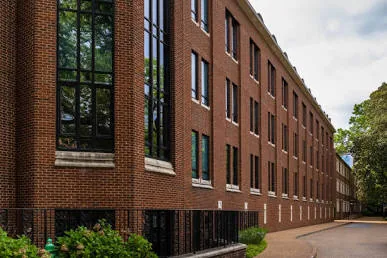
Academic libraries offer quiet spaces for research and coursework.
- Fulbright-Nehru Fellowships: Eligible Indian applicants to specified master’s and research programmes can explore Fulbright-Nehru opportunities; award coverage and eligibility depend on the particular fellowship.
- Graduate Assistantships (TA/RA): Master's and PhD students can apply for Teaching Assistantships (TA) or Research Assistantships (RA). These typically grant a tuition waiver plus a monthly stipend in exchange for 15–20 hours of work per week.
- Merit Scholarships: Most private and public universities evaluate applicants automatically for merit-based tuition discounts ranging from $5,000 to full tuition during the standard admissions review.
Budgeting & Financial Realities
Your university and US consular process may require evidence that you can cover the estimated cost of attendance. The school uses financial documentation when issuing Form I-20; the consular officer independently assesses your F-1 visa application.
| Expense Category | High-Cost Cities (NY, SF, Boston) | Mid/Low-Cost Cities (Texas, Midwest) |
|---|---|---|
| Annual Tuition (Average) | $30,000 – $65,000 | $18,000 – $38,000 |
| Monthly Rent & Utilities | $1,200 – $2,200 | $500 – $950 |
| Groceries & Food | $300 – $500 | $200 – $350 |
| Health Insurance (Annual) | $1,500 – $3,500 | $1,200 – $2,500 |
- Form I-20 & Financial Proof: You must show liquid funds (savings, fixed deposits, or approved education loans) equal to or exceeding the total estimated cost listed on your university's I-20 form.
- Mandatory Health Insurance: Healthcare in the US is extremely expensive. University health insurance plans are compulsory unless you obtain an approved waiver with an equivalent private policy.
Accommodation: On-Campus Dorms vs. Off-Campus Apartments
Where you live depends heavily on your budget and academic level.

- On-Campus Housing (Dorms): Common for undergraduate freshmen. It includes meal plans, high-speed Wi-Fi, and utilities, though it generally costs more per semester than sharing an apartment off-campus.
- Off-Campus Shared Apartments: Preferred by Master’s and PhD students. Renting an apartment or house with 2–4 roommates drastically cuts monthly expenses.
- Lease Agreements: Expect to pay a 1-month security deposit upfront. Many leasing offices require a US social security number (SSN) or a guarantor; without one, you may need to pay an extra security deposit.
Career Opportunities, CPT & OPT Pathways
The primary draw for international students in the US is the clear practical training pathway following graduation.

- On-Campus Jobs (F-1 Rules): F-1 visa holders can work up to 20 hours per week on campus during academic semesters and up to 40 hours during official summer/winter breaks. Off-campus employment without explicit authorization is strictly illegal.
- Curricular Practical Training (CPT): Allows you to take paid off-campus internships directly related to your major while still completing your degree.
- Optional Practical Training (OPT): Grants 1 year of full-time work authorization post-graduation.
- STEM OPT Extension: Graduates in Science, Technology, Engineering, and Math (STEM) fields qualify for an additional 24-month extension, giving them a total of 3 years (36 months) to work in the US without needing an H-1B visa immediately.
Points to Be Careful Of
- F-1 Visa Interview Rigor: Unlike point-based visa systems, the US F-1 visa depends on a 2-to-3-minute in-person consular interview. You must convincingly demonstrate non-immigrant intent (ties to India) and clear financial capability.
- Unauthorized Off-Campus Work: Working illegally ("under the table") at off-campus stores or restaurants violates F-1 status and will result in immediate visa termination and deportation.
- Credit Score Culture: Credit cards drive the US financial system. Apply for a student credit card (like Discover it Student or Deserve) early to build credit history, which is vital for securing rentals, phone plans, and car loans later.
- GPA Requirements: Graduate programs typically enforce a strict minimum 3.0 GPA requirement. Dropping below this threshold can put you on academic probation or jeopardize your F-1 status.
Plan your next step
Discuss your study-abroad options
Review course fit, entry requirements and budgeting with a counsellor.